






GBP/USD exchange rate weakens by more than 2% in January
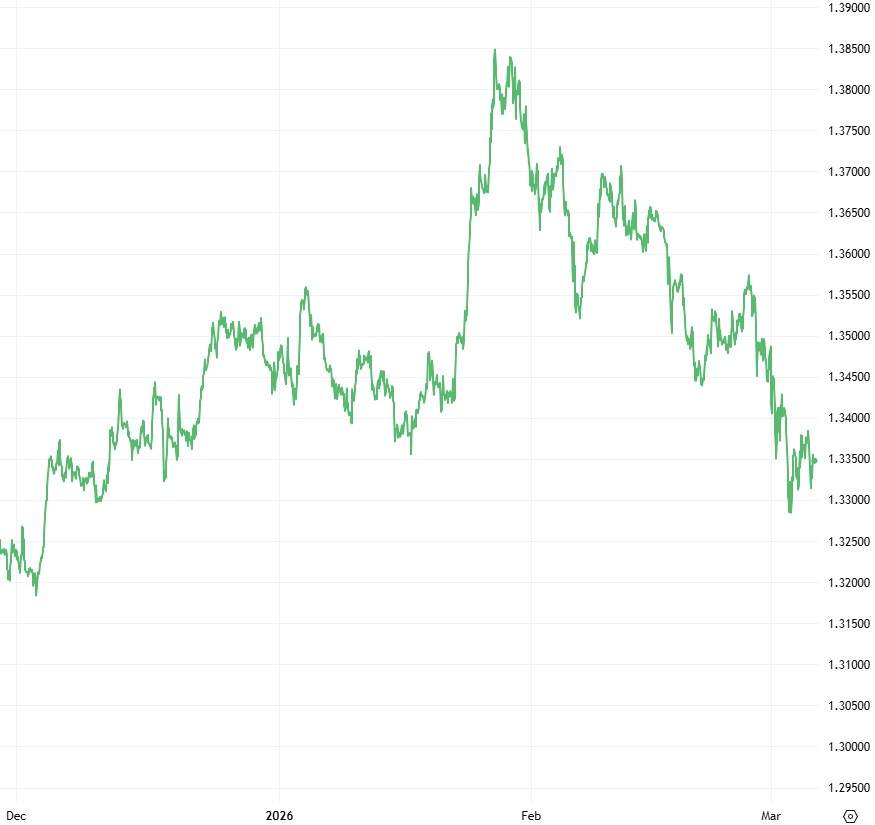
The pound tumbled more than 1% against the dollar on 5 February, following the Bank of England’s (BoE) dovish policy decision. Although the central bank held interest rates at 3.75% as anticipated, the unexpectedly razor-thin 5–4 vote split led investors to factor in a faster pace of policy easing this year.
The pound retraced some of its losses the following day, edging above 1.36, bolstered by comments from BoE Chief Economist Huw Pill. He warned against the central bank “drawing too much comfort” from an expected drop in inflation, arguing that it’s likely to be prompted by one-off factors.
The pound climbed to within touching distance of the 1.37 benchmark on 9 February as doubts over the outlook for US employment weighed on the dollar ahead of key labour market data.
Robust US labour market figures gave the dollar a shot in the arm on 11 February, following the release of a non-farm payrolls report that far exceeded expectations.
The pound was little moved on 12 February, despite the latest GDP figures printing below expectations. Economic growth remained at 0.1% in the last three months of 2025, falling short of forecasts for a pickup to 0.2% and reinforcing BoE rate cut speculation.
Downbeat UK labour market figures saw the pound nosedive to within a fraction of the 1.35 level versus the dollar on 17 February. Expectations of a BoE rate cut in March were reinforced after data revealed unemployment increased to its highest level in five years across the three months to December, while earnings growth cooled to its weakest pace since August 2024. Meanwhile, the dollar was bolstered by fresh employment data that pointed to ongoing strength in the US labour market.
The pound dollar rate dipped below 1.35 the following day, amid growing BoE rate cut expectations and a stronger-than-expected rise in US industrial production in January.
The pair extended its losses on 19 February, falling into the 1.34 mid-range near a one-month low, weighed down by BoE policy projections, UK political uncertainty, and dollar strength.
The pound regained its footing on 20 February after the UK’s latest PMI readings and retail sales data both exceeded forecasts. Meanwhile, the dollar moved lower after the US Supreme Court ruled against President Donald Trump’s tariff measures.
Having climbed into the 1.35 mid-range, the pound fell sharply against the dollar on 26 February amid political uncertainty. Voters in Gorton and Denton headed to the ballot box in a high-profile by-election viewed as a key confidence test for Prime Minister Keir Starmer.
After Labour suffered a crushing defeat in the election, fresh doubts surrounding Starmer’s leadership continued to undermine the pound the next day. This was compounded by a fresh slump in UK consumer confidence that came in well below forecasts, hitting a three-month low in February.
The pound dollar exchange rate ended the month around 1.348.
GBPUSD: 3-Month Chart
Looking Ahead
The escalating conflict in the Middle East looks set to keep the pound under pressure against the dollar in March, with the US currency already benefitting from safe-haven demand. Rising oil prices and the broader risk-off mood have significantly dented expectations of a BoE rate cut at the March meeting.
With Brent crude remaining elevated and UK inflation still running above target, the central bank faces a difficult balancing act. This means the pound dollar rate could remain volatile until there are clearer signs of de-escalation in the region.
Influential data from the UK economy in March: Claimant Count Change (12 March), Employment Change (12 March), ILO Unemployment Rate (12 March), Retail Sales (20 March), S&P Global Composite PMI (24 March), Consumer Price Index (25 March), GDP (30 March).
The Federal Open Market Committee is expected hold rates at 3.5% to 3.75% at its next meeting on 18 March.
Influential data from the US economy in March: ISM Manufacturing PMI (2 March), ADP Employment Change (4 March), ISM Services PMI (4 March), Average Hourly Earnings (6 March), Nonfarm Payrolls (6 March), Consumer Price Index (11 March), Producer Price Index ex Food & Energy (12 March), GDP (13 March), Core Personal Consumption Expenditures (13 March), Michigan Consumer Sentiment Index (13 March), Retail Sales (17 March), S&P Global Composite PMI (24 March), Core Personal Consumption Expenditures Price Index (31 March), GDP Annualised (31 March).