





GBP/EUR exchange rate falls to more than 2-month low in February
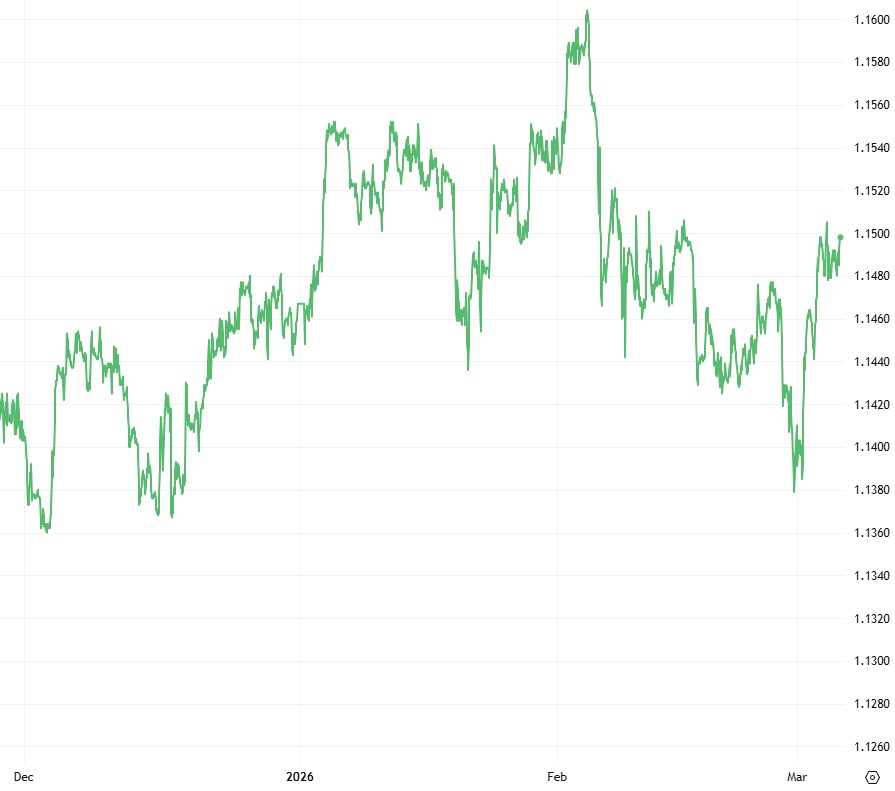
The pound euro exchange rate broke through the 1.16 resistance level on 4 February, touching a fresh five‑month high. However, investors remained cautious ahead of the Bank of England’s (BoE) February policy meeting. They also digested the final UK services PMI for January, which confirmed service sector growth reached its quickest pace in five months, but missed the 21-month peak forecast.
The pound nosedived below 1.15 against the euro the next day after the BoE left interest rates unchanged, but a surprisingly close vote meant a cut at the central bank’s March policy meeting was widely expected. The European Central Bank (ECB) Governing Council also decided to keep interest rates unchanged, maintaining the deposit facility rate at 2%.
The pound retraced some of its losses on 6 February as a bout of selling pressure began to unwind. Meanwhile, the single currency experienced modest pressure following data indicating that German exports exceeded expectations, while industrial output declined in December. These results highlight ongoing uncertainty regarding the recovery of Europe’s largest economy.
Mounting pressure on Kier Starmer intensified political uncertainty on 9 February, dragging the pound euro rate to a two-week low in the 1.14 mid-range. Fresh doubts surrounding the Prime Minister’s leadership and control of the Labour Party unsettled investors in the UK currency.
The pound softened on 12 February after UK GDP for the final three months of 2025 undershot expectations. Economic growth remained at 0.1%, falling short of forecasts for an increase to 0.2%, which supported investor bets that the BoE could cut interest rates in March.
The pound plummeted to 1.1435 against the euro on 17 February following the release of underwhelming labour market figures that led investors to ramp up BoE rate hike bets. Notably, UK unemployment rose to its highest level in five years across the three months to December.
The pound initially swerved a slowdown in headline UK inflation the following day, which tumbled to 3% in January. However, initial gains were reversed amid hopes of an early cut in interest rates by the BoE.
The pound firmed against the euro on 20 February following a brace of upbeat economic releases from the UK economy. Stronger-than-forecast UK retail sales showed volumes rose in January at the fastest annual pace in nearly four years. According to PMI figures, British firms boosted output at the fastest pace in almost two years.
On 25 February, the euro brushed off data showing Eurozone inflation fell to a 16-month low of 1.7% in January. Economists expect no change to interest rates in the coming months, with the ECB hopeful inflation will return to its 2% target.
Having rallied over the previous two days amid hawkish BoE signals and upbeat market sentiment, the pound fell sharply against the euro on 26 February. Political uncertainty applied downward pressure as voters in Gorton and Denton cast their ballots in a closely watched by-election.
The pound retreated further the following day, dipping below 1.14 to its lowest level in more than two months, after Labour suffered a crushing by-election defeat that dealt a chastening blow to embattled Prime Minister Keir Starmer.
GBPEUR: 3-Month Chart
Looking Ahead
The escalating conflict in the Middle East looks set to put pressure on both currencies in March, though the pound may suffer more. The Iran war and subsequent rising oil prices may see the safer euro benefit from investor caution. The BoE’s March rate decision has become more uncertain, with the central bank now expected to hold off on a cut as it weighs the inflationary impact of higher energy prices in the wake of aggressions.
Influential data from the UK economy in March: Claimant Count Change (12 March), Employment Change (12 March), ILO Unemployment Rate (12 March), Retail Sales (20 March), S&P Global Composite PMI (24 March), Consumer Price Index (25 March), GDP (30 March).